
Why trek in Nepal
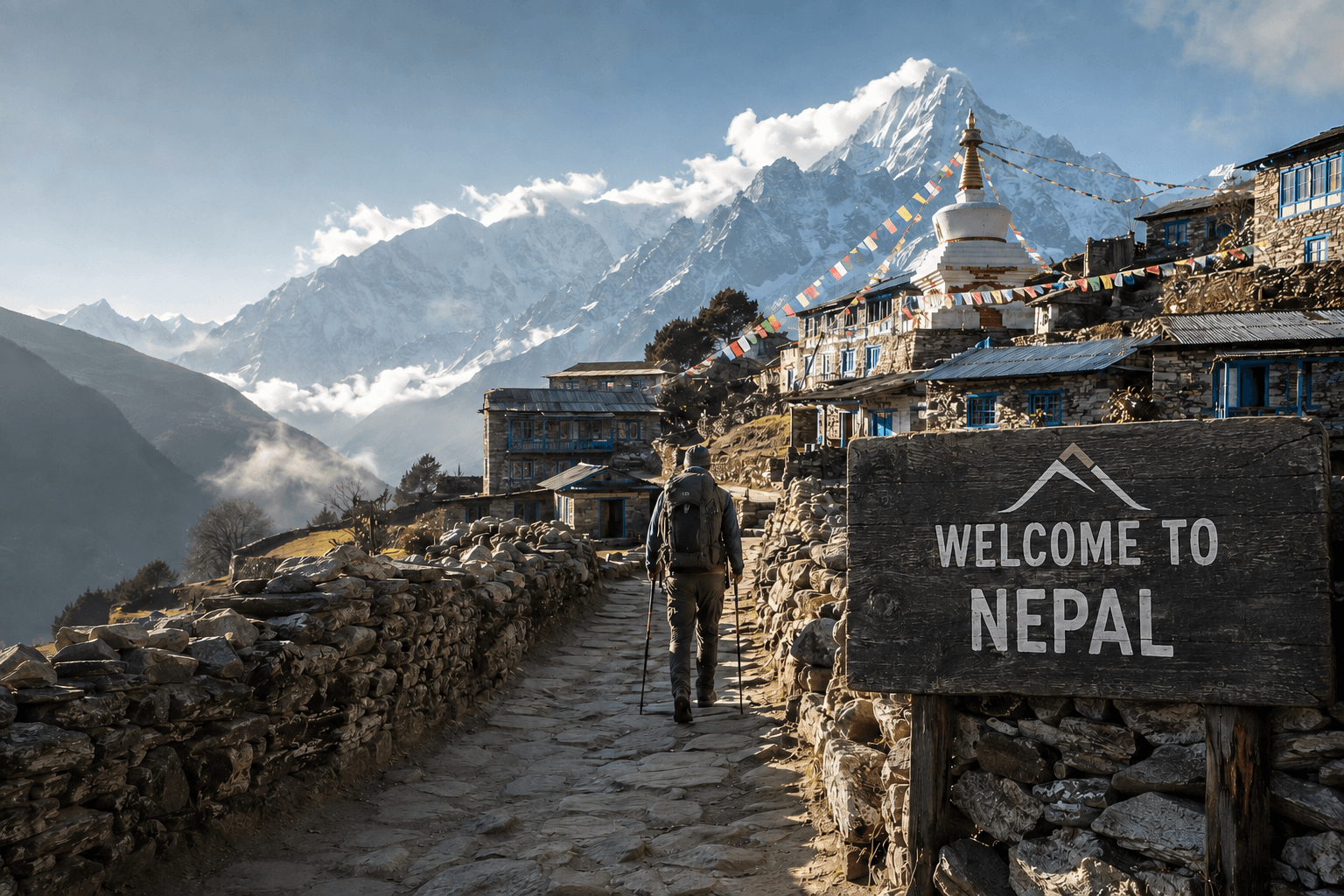
Nepal holds eight of the world's fourteen mountains above 8,000 metres, but that is only part of why it is the world's great trekking country. Its trails are not wilderness paths built for visitors — they are the footpaths that connect mountain villages, monasteries and high summer pastures. Walking them, you stay with local families, eat what they eat and move through several cultures and climate zones in a single trek.
A network of teahouses means you can trek for two or three weeks carrying only a daypack, without tents or cooking gear. That makes long Himalayan journeys possible for people who are fit and determined but not mountaineers. If you want to understand the mountains themselves — how the range formed and which peaks stand where — read our guide to the Himalayas in Nepal.
The main trekking regions
Most trekking in Nepal happens in a handful of regions strung along the main Himalayan range. Each has a distinct character, level of development and way of getting there. These are the regions where Himalera currently runs treks.
Everest region (Khumbu)
The Khumbu is the home valley of the Sherpa people and the approach to the world's highest mountain. Most treks begin with a short mountain flight to Lukla; in the busiest months many of those flights leave from Ramechhap (Manthali) rather than Kathmandu, which adds a road transfer at each end. From Lukla the trail climbs through Phakding and Namche Bazaar, the region's trading town, into Sagarmatha National Park.
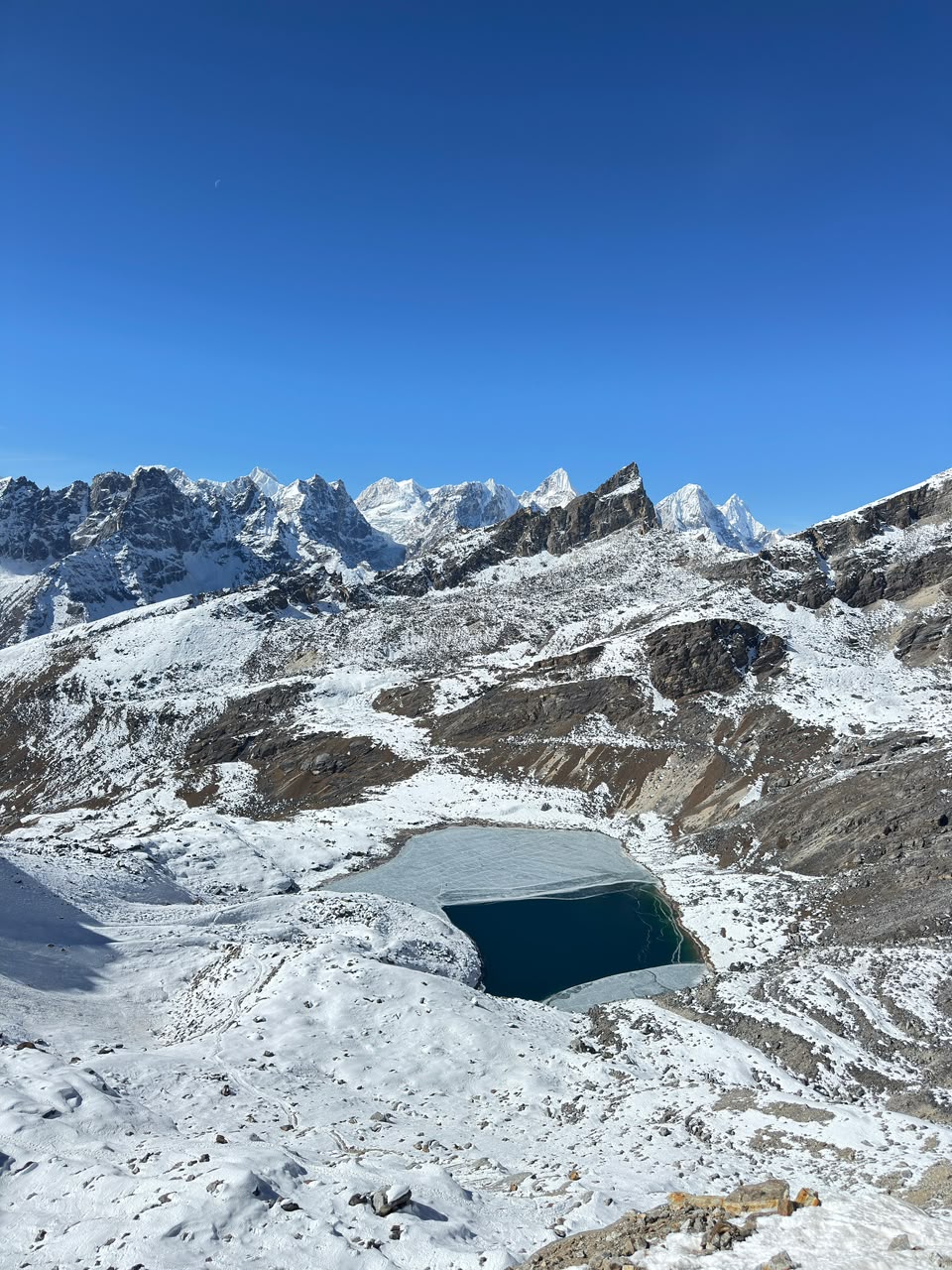
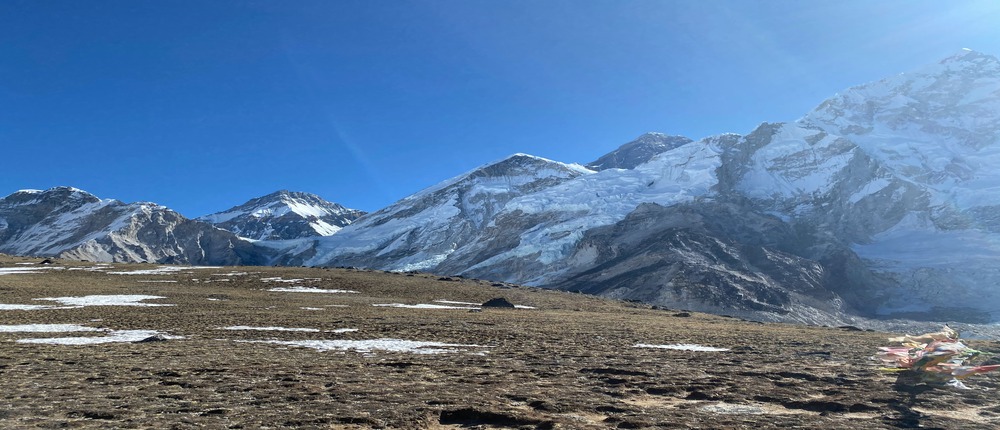
This is high-altitude trekking: nights are spent well above 4,000 metres and the classic viewpoints sit above 5,000 metres, so itineraries here are built around acclimatisation days. In return you get Ama Dablam, Lhotse, Nuptse and Everest itself at close range, plus monasteries such as Tengboche. Everest's summit is hidden from Base Camp; the famous view is from Kala Patthar above Gorak Shep.
Annapurna region
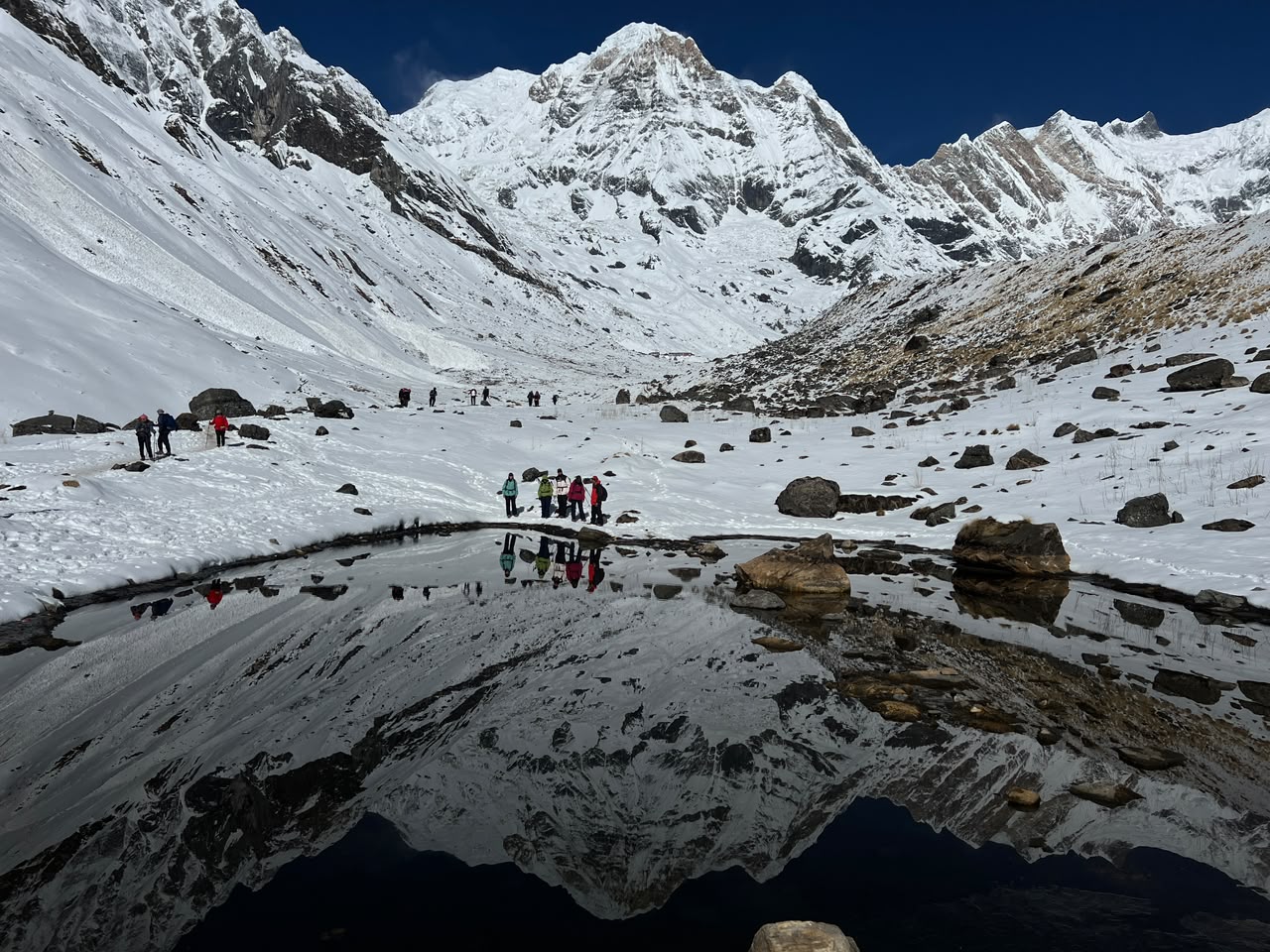
The Annapurna massif sits north of Pokhara, Nepal's lakeside second city, which makes access easy and flexible. The region offers the widest range of trekking in Nepal: short ridge walks, the Annapurna Sanctuary route to Annapurna Base Camp, and the long Annapurna Circuit, which crosses Thorong La into the arid, Tibetan-influenced Mustang district.
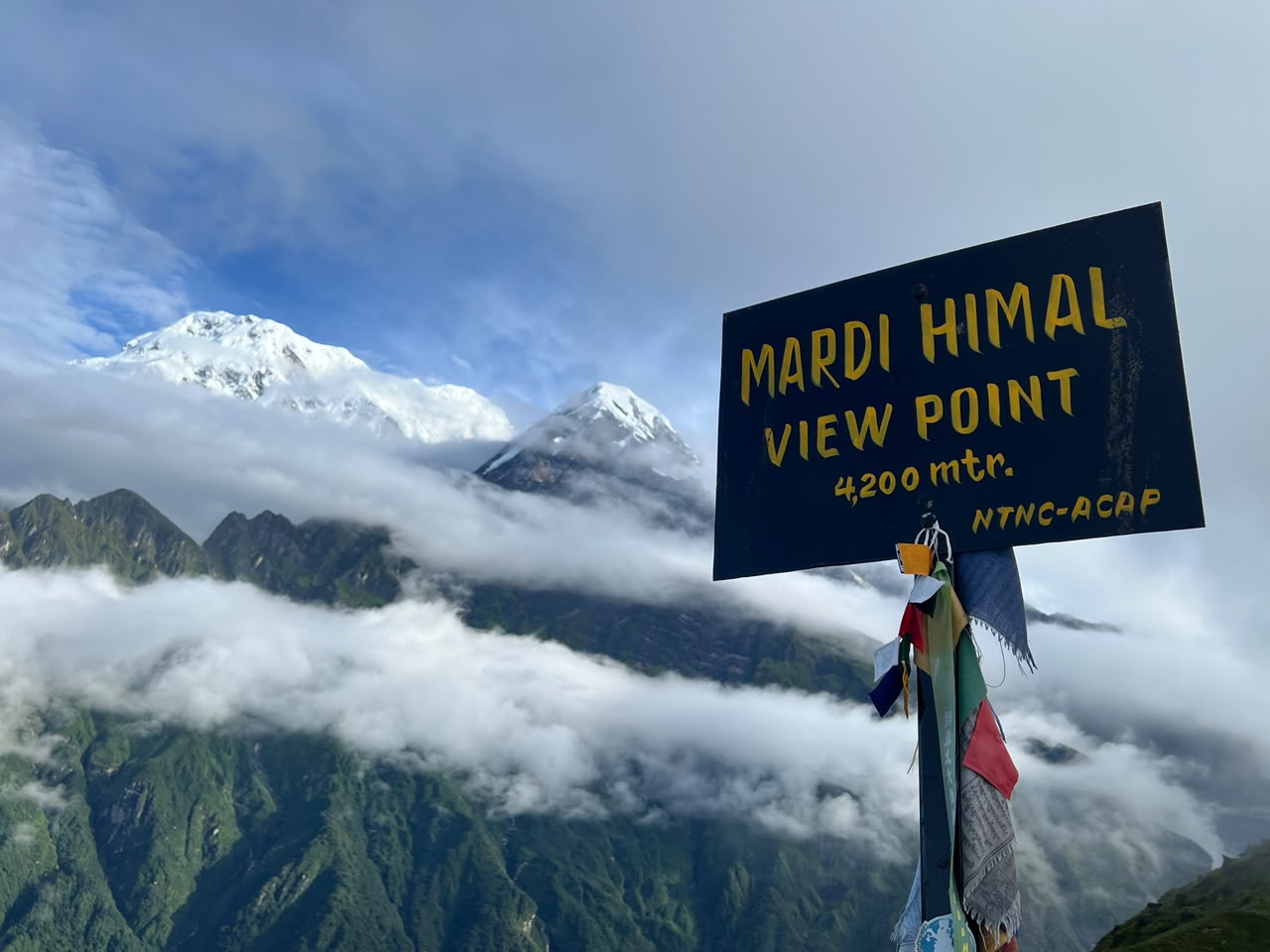
Gurung and Magar villages, terraced hillsides and rhododendron forest define the lower trails. The region's teahouses are among the most developed in the country, which suits first-time trekkers, while routes such as Mardi Himal give a quieter ridge-line experience within a week.
Manaslu region
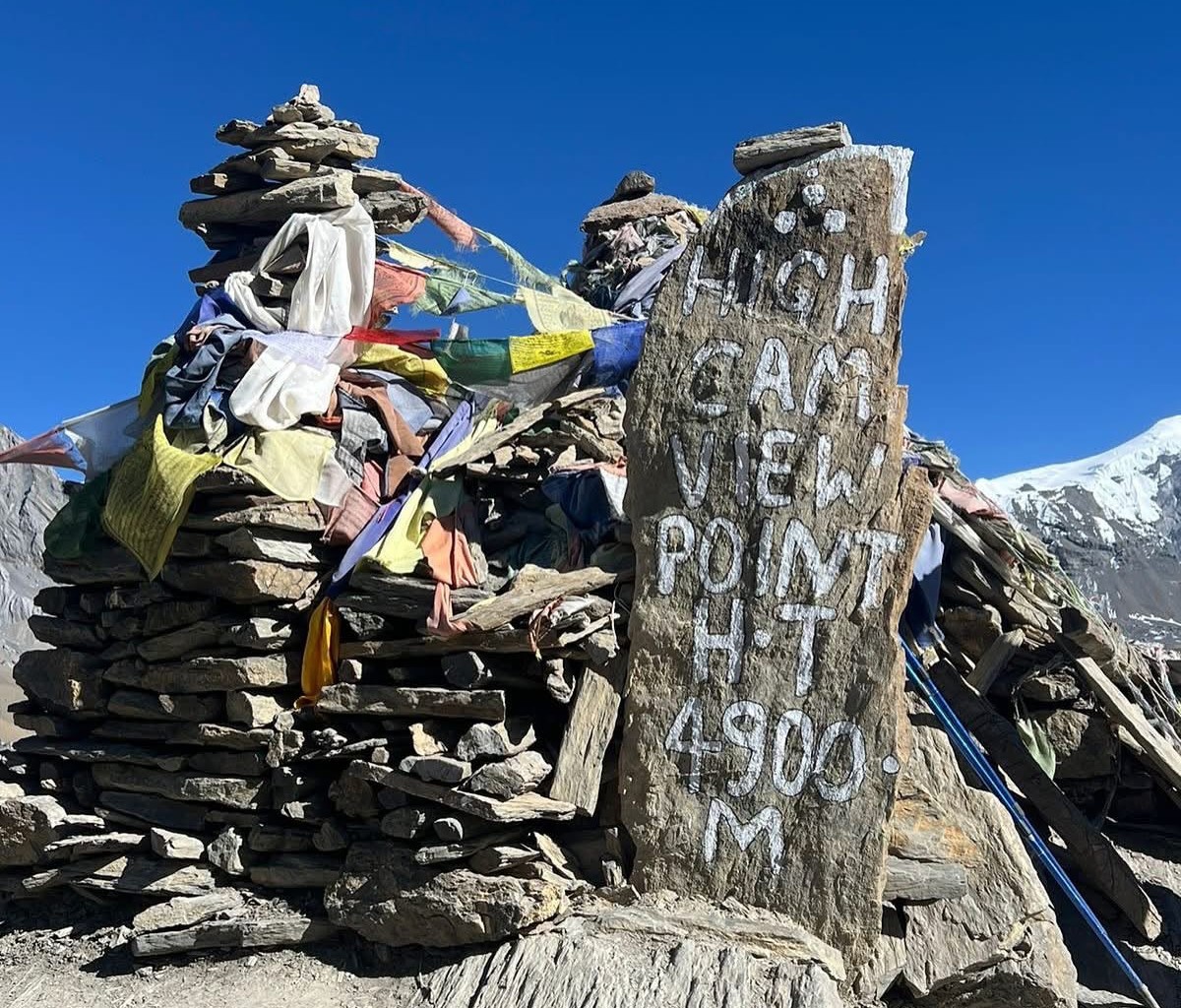
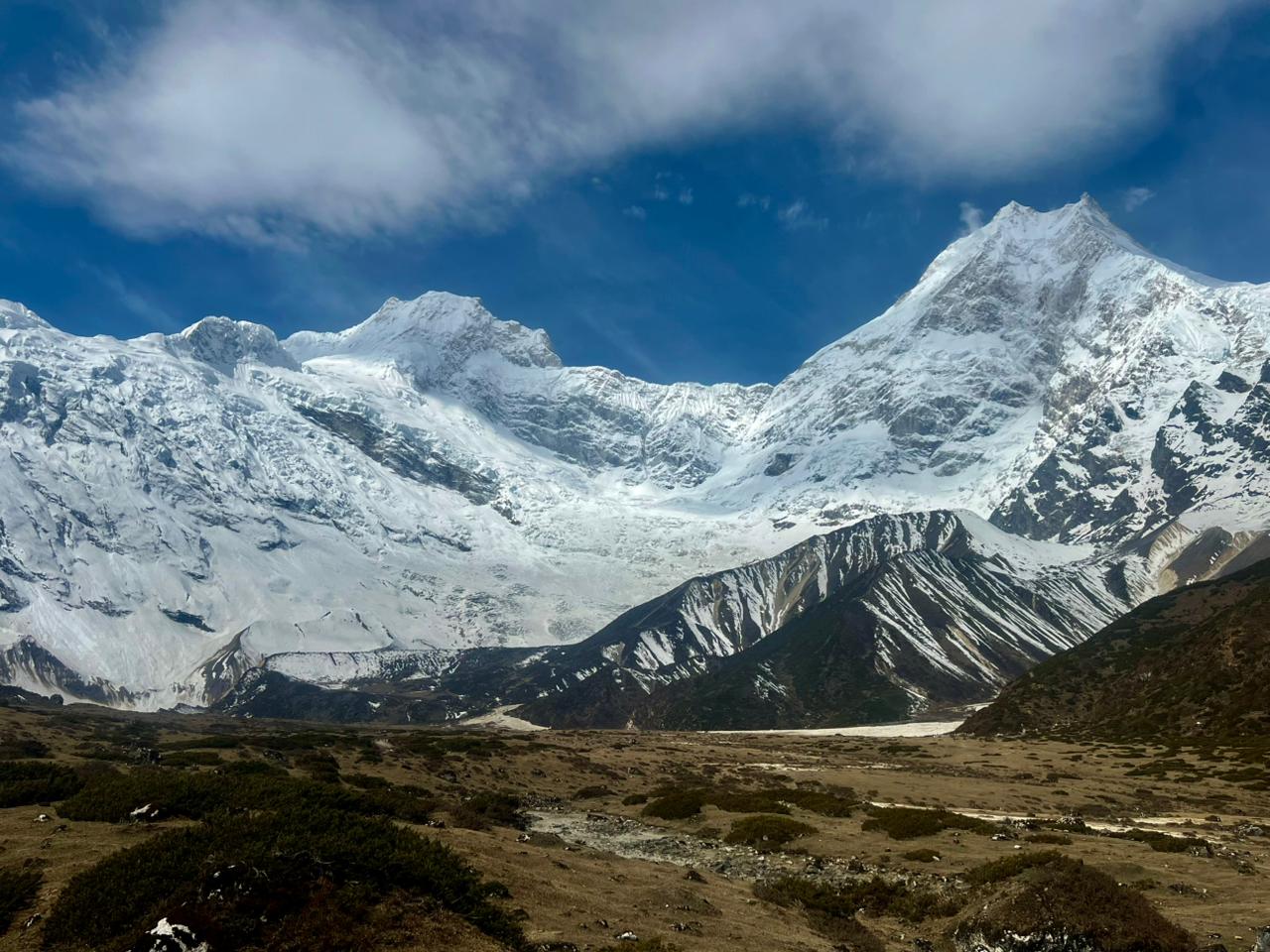
The Manaslu Circuit follows the Budhi Gandaki gorge around the world's eighth-highest mountain and crosses Larkya La before joining the Annapurna side of the range. It is a restricted area: trekkers need a special permit, must travel with a licensed guide arranged through a registered agency, and must be at least two people.
Those rules keep numbers lower than in the Everest or Annapurna regions. Expect simpler teahouses, long days and strong Tibetan Buddhist culture in the upper villages of Nubri. It suits trekkers who already have some multi-day experience.
Langtang region
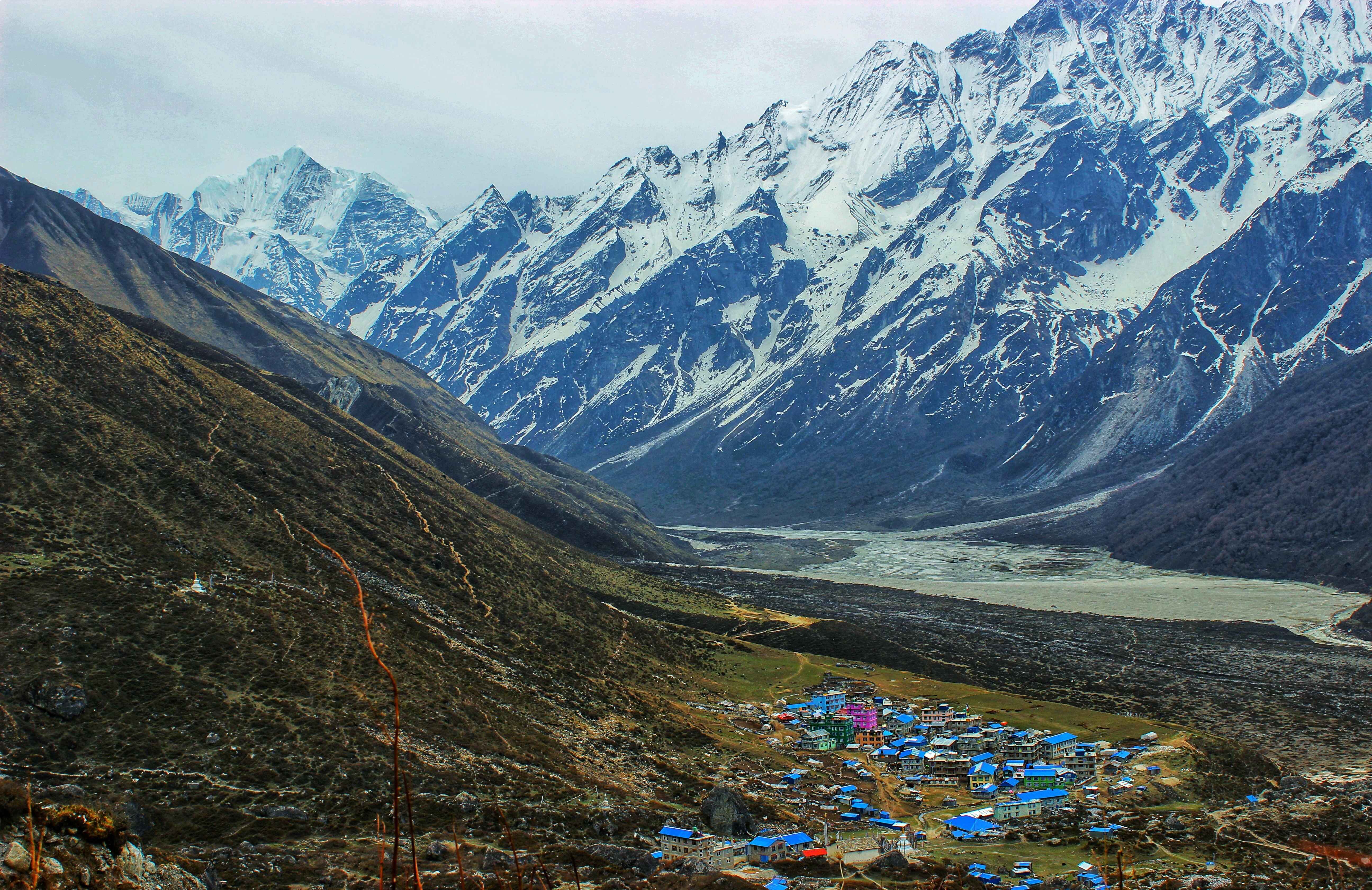
Langtang is the closest major trekking region to Kathmandu — a day's drive to Syabrubesi rather than a flight — which makes it practical for shorter trips. The valley climbs from forest and Tamang villages to yak pastures and the monastery settlement of Kyanjin Gompa beneath Langtang Lirung.
The valley was badly damaged in the 2015 earthquake and has since been rebuilt, with lodges run by returning families. Side hikes from Kyanjin, such as Kyanjin Ri or Tserko Ri, provide high viewpoints without crossing a pass.
Other trekking regions
Nepal has other remarkable regions, most of them remote, more expensive to reach and subject to restricted-area permits: Upper Mustang's rain-shadow canyons, the Nar and Phu valleys, Dolpo in the far west, and the long approaches to Kanchenjunga and Makalu in the east. They reward trekkers who already know the teahouse routes and want fewer people and more self-sufficiency.
How to choose the right trek
Start with four questions, in this order:
- How many days do you have on the ground? Add at least one day in Kathmandu at each end, plus a buffer day for the Everest region, where weather can delay Lukla flights.
- How do you handle altitude? If you have never been above 3,000 metres, a route with a lower maximum altitude or generous acclimatisation is the safer first choice.
- When can you travel? Some routes suit shoulder seasons better than others; high passes may close in winter.
- What do you want to experience? Close-up giant peaks, village culture, quiet trails or a real physical challenge — each points to different regions.
The table compares every trek Himalera currently runs, shortest first. For a route-by-route breakdown of who each trek suits, see the best treks in Nepal.
| Trek | Region | Duration | Highest point | Difficulty |
|---|---|---|---|---|
| Mardi Himal Trek | Annapurna | 8 days | 4,450 m | Challenging |
| Annapurna Base Camp Trek | Annapurna | 9 days | 4,130 m | Challenging |
| Langtang Valley Trek | Langtang | 10 days | 4,984 m | Challenging |
| Manaslu Circuit Trek | Manaslu | 13 days | 5,106 m | Strenuous |
| Everest Base Camp Trek | Everest | 14 days | 5,545 m | Challenging |
| Annapurna Circuit Trek | Annapurna | 16 days | 5,397 m | Strenuous |
| Everest Three Passes Trek | Everest | 18 days | 5,550 m | Strenuous |
Best time to trek in Nepal
Nepal's trekking calendar follows the monsoon. Conditions vary with altitude and region, but the pattern is consistent:
- Autumn (late September to November): the main season. The monsoon has cleared the air, days are stable and views are at their sharpest. Nights at altitude are cold, and popular trails and flights are at their busiest.
- Winter (December to February): clear and quiet, but cold. Lower and mid-altitude routes are pleasant; high passes such as Thorong La and Larkya La can be closed by snow, and some high lodges shut.
- Spring (March to May): the second main season. Warmer days, rhododendron forests in flower and good conditions on high routes, with more afternoon cloud and haze as the season goes on.
- Monsoon (June to mid-September): rain most afternoons, cloud-hidden peaks, leeches in lower forests, landslide risk on roads and frequent flight disruption. Rain-shadow areas north of the main range are the exception.
If you are considering autumn, our journal article on trekking in Nepal in October and November goes deeper into conditions and route choice.
Difficulty and fitness
Trek grades in Nepal describe more than steepness. They combine daily walking time, the total length of the trek, the highest altitude reached and how remote the route is. A typical trekking day is five to seven hours of walking with long climbs and descents on stone steps; pass days on routes such as the Annapurna Circuit or Manaslu Circuit start before dawn and can run to ten hours.
The best preparation is regular walking on hills or stairs with a loaded daypack, building up to back-to-back long days over the two to three months before you leave. Strong legs and good cardiovascular fitness make the days more enjoyable, but they do not protect you from altitude sickness — that depends on how gradually you ascend.
Altitude and acclimatisation
Acute mountain sickness (AMS) can affect anyone above roughly 2,500 metres, regardless of age or fitness. Early symptoms are headache, nausea, loss of appetite, poor sleep and unusual fatigue. The serious forms — high-altitude cerebral oedema (HACE) and pulmonary oedema (HAPE) — are life-threatening, and the treatment for both is to descend.
- Above 3,000 metres, avoid increasing the altitude you sleep at by more than about 300–500 metres a night, and build in a rest day every three to four days.
- “Climb high, sleep low”: acclimatisation days usually include a short hike higher before returning to sleep.
- Drink enough, eat well even when your appetite drops, and avoid alcohol while ascending.
- Tell your guide about any symptoms immediately — never ascend with worsening symptoms.
- Ask your doctor before you travel whether preventive medication such as acetazolamide is appropriate for you.
This is why well-designed itineraries in the Everest region include acclimatisation days at places such as Namche Bazaar and Dingboche. Shortening an itinerary to save time is the most common way trekkers get into trouble.
Permits and guide rules
Almost every trek in Nepal needs at least one permit, and the combination depends on the region:
- National park or conservation area permits: Sagarmatha National Park for the Everest region, the Annapurna Conservation Area for Annapurna routes, Langtang National Park for Langtang, and the Manaslu Conservation Area for Manaslu.
- Local area permits: the Everest region also charges a local rural municipality entry fee at Lukla or Monjo.
- Restricted area permits: regions near the northern border, such as Manaslu, Upper Mustang and Nar Phu, require a special permit issued only through a registered agency, with a licensed guide and at least two trekkers.
Fees and rules change, so check the figures shortly before you travel. On a guided trek your agency arranges permits for you; each Himalera itinerary lists exactly which permits are included.
Teahouses, guides and porters
Teahouses are family-run lodges with small twin rooms and a shared dining room warmed by a stove in the evening. Menus run from dal bhat — rice, lentil soup and vegetable curry, usually with free refills — to noodles, potatoes and eggs. Prices rise with altitude because almost everything is carried in by porters or pack animals. Hot showers, charging and Wi-Fi are often extra, and become less reliable higher up.
A good guide does far more than show the way. They manage your pace and acclimatisation, watch for signs of altitude sickness, arrange lodges in busy seasons, handle permits and checkpoints, and explain the culture you are walking through. Porters carry your main bag between lodges so you trek with a daypack. Ask any operator how they equip and insure their porters and what weight limit they set — responsible companies keep loads manageable.
Most treks can be joined as a fixed group departure or arranged as a private trek on your own dates. You can see scheduled dates on our upcoming departures page.
Transport and logistics
International flights arrive at Tribhuvan International Airport in Kathmandu, and most trekkers need a tourist visa, available on arrival or online in advance. Allow a day in Kathmandu before your trek for briefings, final gear and permits.
- Everest region: mountain flight to Lukla — from Kathmandu or, in peak season, from Ramechhap after a road transfer. Weather delays are common; keep a spare day at the end of your trip.
- Annapurna region: drive or fly to Pokhara, then a short drive to the trailhead.
- Langtang region: a full day's drive from Kathmandu to Syabrubesi on mountain roads.
- Manaslu region: a long jeep drive to the start of the circuit, returning by road from the Annapurna side.
What a Nepal trek costs
The total cost of a trek depends on its length, how remote it is, whether you fly or drive, and how private the arrangements are. The main components are permits, guide and porter wages and insurance, teahouse rooms and meals, transport and domestic flights, hotels in Kathmandu, your own travel insurance, gear and tips for the trekking crew.
Packages differ most in what they leave out, so compare the inclusions and exclusions line by line: meals on the trail, domestic flights, permits, and hotel nights are the usual differences. Every Himalera trek page lists current prices together with full inclusions and exclusions, and the trek cards above show current starting prices.
What to pack
Mountain weather swings from hot sun to freezing wind within hours, so pack layers rather than bulk:
- Broken-in trekking boots with ankle support, plus camp shoes.
- Base layers, a fleece or light insulated mid-layer, a warm down jacket for evenings and high days, and a waterproof shell.
- Warm hat, sun hat, gloves, and sunglasses with good UV protection.
- A sleeping bag suited to sub-zero nights on high-altitude routes.
- Daypack, water bottles and a way to treat water, such as tablets or a filter.
- Head torch, high-factor sunscreen, lip balm, blister care and personal medication.
- Cash in Nepali rupees for extras on the trail — cash machines are rare beyond the trailheads.
Heading to Everest? Our complete Everest Base Camp guide covers route-specific preparation and packing.
Safety and insurance
Buy travel insurance that explicitly covers trekking to your route's maximum altitude, plus helicopter rescue and medical evacuation. Keep a copy of the policy and emergency number with your guide.
Beyond altitude, the main risks are weather, cold, stomach illness and falls on uneven trails. Treat or boil drinking water, wash hands before eating, give way to yaks and porters on the uphill side of the trail, and follow your guide's call on turning back or waiting out bad weather.
Responsible trekking
- Refill water bottles instead of buying plastic ones, and carry your rubbish back out.
- Walk clockwise around stupas and pass mani walls and prayer stones on their left.
- Dress modestly in villages and ask before photographing people or inside monasteries.
- Choose operators that pay, equip and insure porters properly, and tip your crew at the end of the trek.
- Spend locally — teahouse meals, village shops and local guides keep money in mountain communities.
Good to know
Frequently asked
Do I need a guide to trek in Nepal?
In most cases, yes. Since April 2023 Nepal's rules require foreign trekkers in national parks and conservation areas to trek with a licensed guide arranged through a registered agency. Restricted areas such as Manaslu have always required a licensed guide, a special permit and a minimum of two trekkers. Local rules and their enforcement can differ, so confirm the current position when you book.
When is the best time to trek in Nepal?
Autumn (late September to November) and spring (March to May) are the main trekking seasons. Autumn usually brings the clearest mountain views after the monsoon; spring is warmer, with rhododendrons in bloom and more haze by late May. Winter is possible on lower routes, but high passes can close after snowfall. The June to mid-September monsoon brings rain, cloud and flight delays to most regions.
How fit do I need to be for a Nepal trek?
You do not need mountaineering experience for the treks on this page, but you should be comfortable walking five to seven hours a day on steep, uneven ground for many days in a row. Regular hill walking, stair climbing or cardio training in the two to three months before you travel makes a real difference. Altitude, not fitness, is usually the bigger challenge.
What is the easiest trek in Nepal for beginners?
Beginners generally do best on shorter routes with a lower maximum altitude and well-developed teahouses, such as treks in the Annapurna foothills or the Langtang Valley. Everest Base Camp is achievable for fit first-timers, but its altitude means it should not be treated as an easy trek.
Where do you sleep on a Nepal trek?
On the classic routes in the Everest, Annapurna, Manaslu and Langtang regions you sleep in teahouses — family-run mountain lodges with simple twin rooms and a shared dining room. Bedding is basic and rooms are unheated, so bring a warm sleeping bag. Hot showers, device charging and Wi-Fi are often available at extra cost and become scarcer with altitude.
How much does it cost to trek in Nepal?
The main costs are permits, your guide and porter team, teahouse accommodation and meals, internal transport or flights, travel insurance and your own gear. A guided trek package bundles most of these; what is included varies, so compare the inclusions and exclusions list rather than headline prices alone.
Do I need travel insurance for trekking in Nepal?
Yes. Choose a policy that explicitly covers trekking to the maximum altitude of your route and helicopter evacuation and rescue. Standard travel policies often exclude activities above a certain altitude.
Ready to look at specific routes? Start with the Everest Base Camp Trek, Annapurna Base Camp or browse every Himalera trek.
Find your era in the Himalayas
Talk to a Kathmandu-based trek planner
Tell us how many days you have, when you want to travel and what kind of trek you have in mind. We'll reply with an honest recommendation, including when a different route would suit you better.