Loading page…


Annapurna, Nepal Best in Spring · Autumn
Mardi Himal Trek
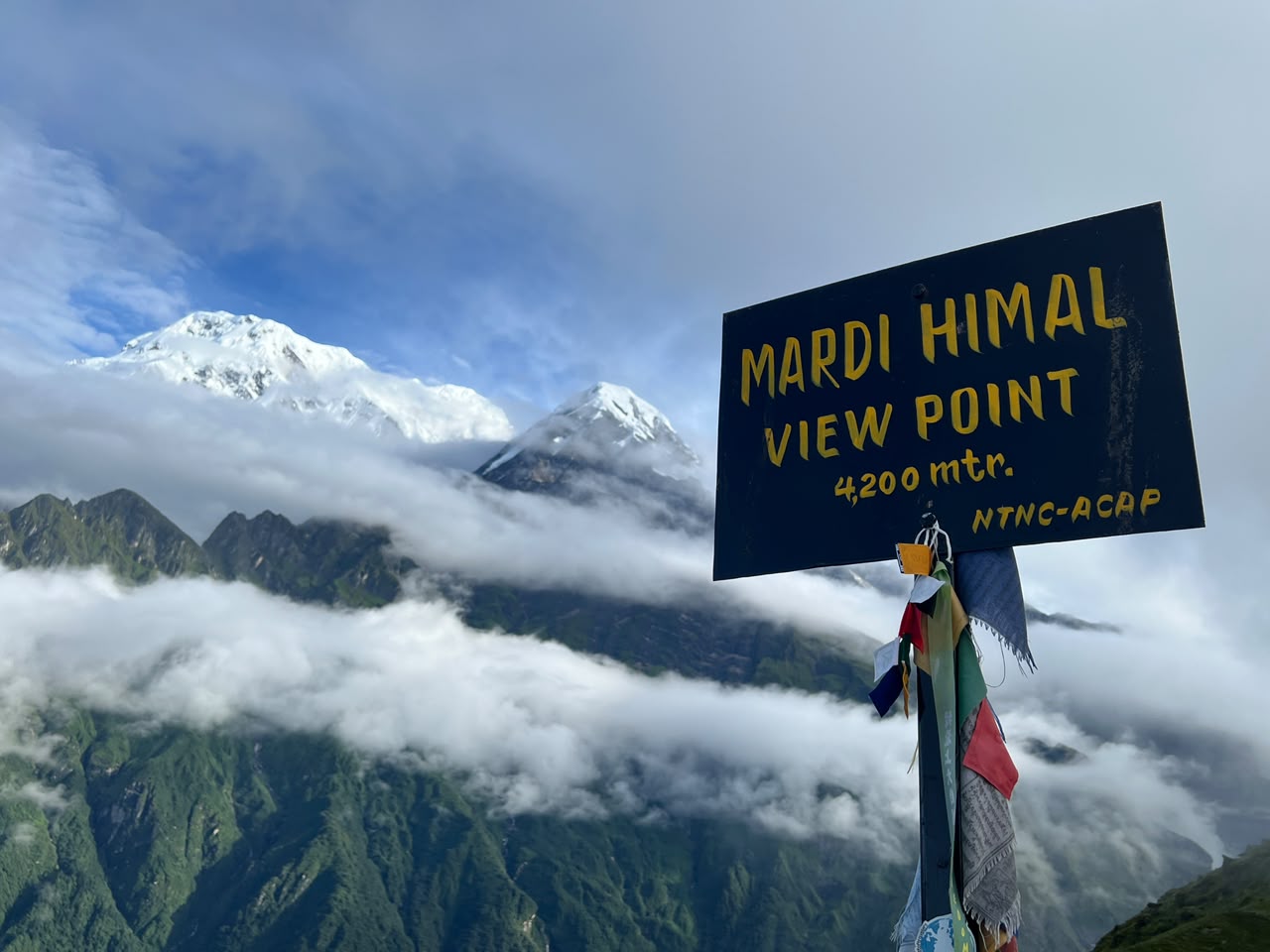
Experience the 8-day Mardi Himal Trek through peaceful forests and spectacular Himalayan ridges. Reach Mardi Himal Base Camp at 4,500 metres for close views of Machhapuchhre, Annapurna South and Hiunchuli.
Duration
8 days
Maximum altitude
4,500 m / 14,764 ft
Difficulty
Challenging
Guest rating
Not rated yet
From
$680
Why you'll love it
About the Mardi Himal Trek
Mardi Himal Trek Overview
The Mardi Himal Trek is an 8-day Himalayan journey from Kathmandu into Nepal’s Annapurna Region. The trek combines forest trails, remote mountain lodges, open ridgelines and close views of Machhapuchhre, Annapurna South, Hiunchuli and Mardi Himal.
Starting with an overland journey from Kathmandu to Pokhara, the trekking route begins at Kande. The trail climbs through rhododendron and oak forests before reaching Forest Camp and the open ridge above High Camp.
The main objective is Mardi Himal Base Camp, situated at approximately 4,500 metres. The high-altitude trail provides increasingly close views of Machhapuchhre, also known as Fishtail Mountain, and the surrounding Annapurna peaks.
After exploring the upper viewpoint or base camp, the route descends through High Camp to Siding Village. A road transfer returns trekkers to Pokhara before the journey continues to Kathmandu.
This itinerary is suitable for active travelers seeking a short Nepal trek with dramatic mountain scenery and fewer days of walking than longer routes such as the Annapurna Circuit or Everest Base Camp Trek.
Mardi Himal Trek Difficulty
Mardi Himal is a challenging trek. Expect five to seven hours of walking a day on steep, uneven trails. The base camp day is the hardest, at seven to nine hours with an early start. No climbing skills are needed, but you should be fit. Four to six weeks of hiking, stair climbing or cardio training will help.
If snow, weather or altitude makes the full route unsafe, your guide may turn around at the Upper Viewpoint, which still offers some of the best views on the trek.
Regular walking, stair climbing, cardiovascular exercise and day hikes are recommended for at least four to six weeks before departure.
Best Time to Trek
Autumn (September–November) brings the clearest skies and steadiest weather. Spring (March–May) is the season for rhododendron blooms. Winter is possible, but snow can close the ridge above High Camp, and the monsoon brings rain, leeches and cloud.
Accommodation and Meals
You’ll stay in hotels in Kathmandu and Pokhara, and in simple teahouses on the trail. Rooms are basic twin-bed rooms with shared bathrooms. Hot showers, Wi-Fi and charging usually cost extra. Teahouses serve dal bhat, noodles, soups, eggs and Tibetan bread, and the menu gets shorter as you climb.
Permits and Guide
You need an Annapurna Conservation Area Permit (ACAP) and a TIMS card. Mardi Himal also requires a licensed trekking guide. Himalera arranges all permits before departure.
Is It Right for You?
This trek is a good fit if you’re fit, short on time and want big Himalayan views without a long expedition. It suits first-time trekkers who are ready for steep trails, basic lodges and real altitude. Travel insurance covering high-altitude trekking and evacuation is essential.
Trek highlights
Reach Mardi Himal Base Camp at approximately 4,500 metres
Enjoy close views of Machhapuchhre, Annapurna South and Hiunchuli
Follow a peaceful ridgeline through the Annapurna Conservation Area
Walk through rhododendron, oak and moss-covered forests
Watch sunrise over the Annapurna mountains from High Camp
Experience rapidly changing landscapes within a short itinerary
Stay in remote mountain teahouses at Forest Camp and High Camp
Travel between Kathmandu and Pokhara without a domestic flight
Explore the lakeside city of Pokhara before and after the trek
Descend through traditional settlements toward Siding Village
Complete a rewarding high-altitude trek in only eight days
Experience one of the Annapurna Region’s most scenic short treks
Day by day
The itinerary
Arrive at Tribhuvan International Airport and meet a Himalera representative. Transfer to your Kathmandu hotel, complete check-in and attend a trek briefing with an equipment review.
WalkingApproximately 30–45 minutes airport transferAltitude1,400 m / 4,593 ftMealsDinnerStayTeahouse lodge
- Airport welcome, Kathmandu arrival, hotel check-in, trek briefing
Pro tips
- Keep essential medication, travel documents and trekking equipment in your hand luggage in case checked baggage is delayed.
Transparent pricing
What's included
Included
- Airport arrival and departure transfers by private vehicle
- Two nights of twin-sharing hotel accommodation in Kathmandu with breakfast
- Two nights of twin-sharing hotel accommodation in Pokhara with breakfast
- Three nights of twin-sharing teahouse accommodation during the trek
- Tourist-bus transportation from Kathmandu to Pokhara
- Tourist-bus transportation from Pokhara to Kathmandu
- Ground transportation from Pokhara to Kande
- Ground transportation from Siding Village to Pokhara
- Three meals per day during the trekking section
- Licensed English-speaking trekking guide
- Assistant guide for groups of eight or more trekkers
- Porter service based on two trekkers sharing one porter
- Annapurna Conservation Area entry permit
- Agency-issued TIMS card
- Guide and porter wages, meals, accommodation and transportation
- Government taxes and official service charges
- Basic first-aid kit carried by the trekking guide
- Himalera duffel bag for use during the trek
- Trekking route map
- Mardi Himal Trek completion certificate
Not included
- International airfare to and from Nepal
- Nepal entry visa fee
- Lunch and dinner while staying in Kathmandu
- Lunch and dinner while staying in Pokhara
- Travel, medical, evacuation and trip-cancellation insurance
- Personal trekking clothing and equipment
- Sleeping bag and down jacket unless separately arranged
- Hot showers, Wi-Fi, battery charging and electronic device use
- Bottled water, soft drinks, alcoholic beverages and additional snacks
- Personal expenses and optional activities
- Emergency evacuation or additional transportation
- Extra accommodation and meals caused by weather or itinerary changes
- Costs resulting from illness, injury, road delays or natural events
- Tips for trekking guides, porters and drivers
- Services not specifically listed under inclusions
Availability
Upcoming departures
ExpeditionDepartsDurationSpotsStatusBook
Reserve your place
Ready for Mardi Himal Trek?
Choose your trip style, departure, group size, and add-ons on the next step. We confirm availability before requesting payment.
20% deposit
$136
then $544 due 30 days before departure
Next departure
24 Oct 2026
Good to know
Frequently asked
The Mardi Himal Trek is challenging because it reaches 4,500 metres within a short itinerary. It includes steep forest climbs, narrow ridges and several days of five to seven hours of walking.
Plan your Mardi Himal Trek
Practical background from our Nepal trekking guides to help you prepare for this route.
- Trekking in the Annapurna region Access, character and other routes in this region.
- Altitude and acclimatisation How to ascend safely and recognise altitude sickness.
- Best time to trek What each season means for this kind of route.
- Compare Nepal treks See how this route compares with Nepal's other classic treks.
More treks in Nepal
From
$680 · 8d