In this article15 sections
- Everest Base Camp trek overview
- Typical Everest Base Camp itinerary
- How difficult is the Everest Base Camp Trek?
- Altitude and acclimatisation
- Best time for the Everest Base Camp Trek
- Spring
- Autumn
- Winter
- Monsoon
- Accommodation and food
- What to pack
- How to prepare physically
- Responsible trekking in the Everest region
- Is Everest Base Camp right for you?
- Plan your Everest journey with Himalera
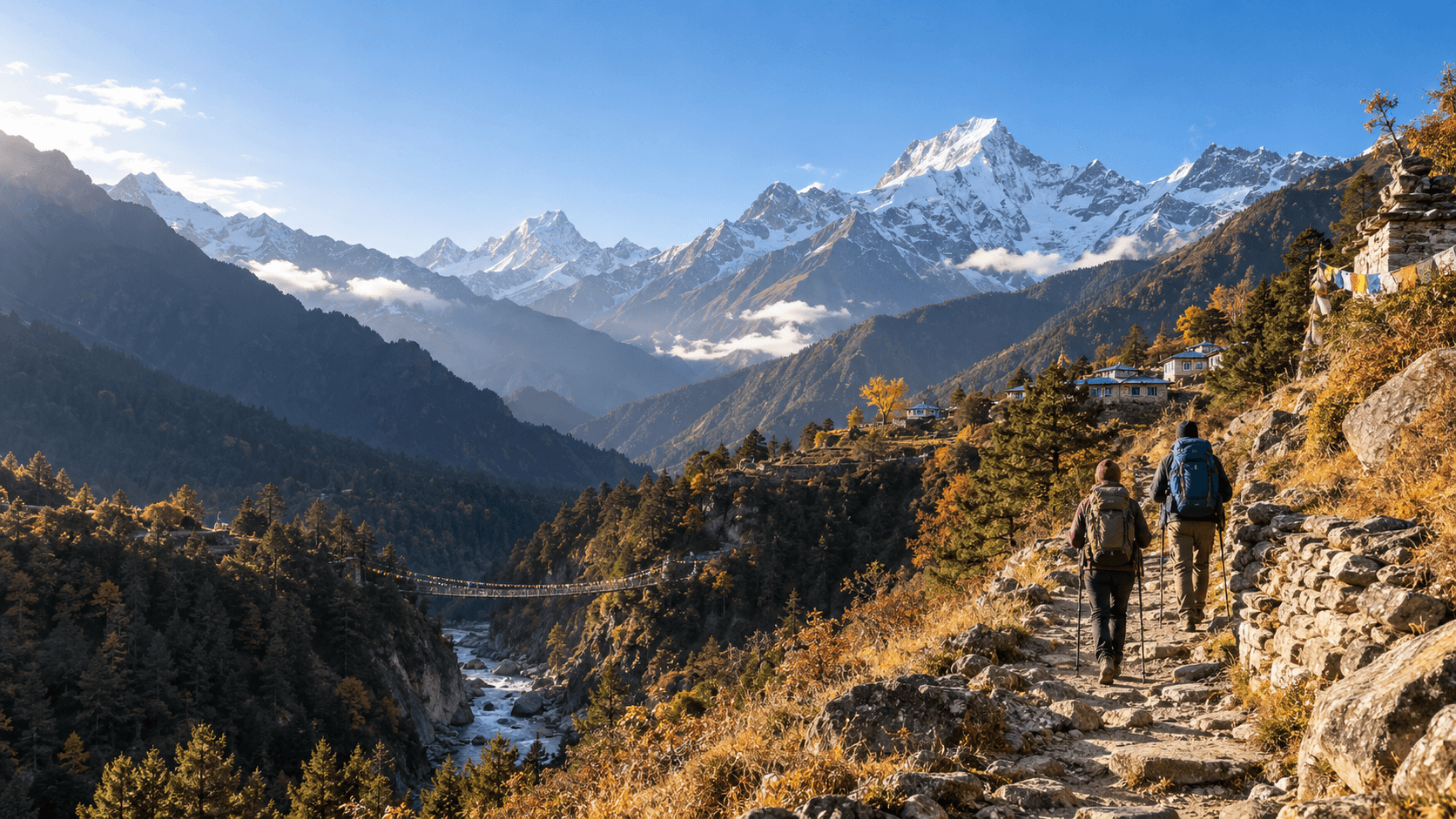
The Everest Base Camp Trek is one of Nepal’s most celebrated Himalayan adventures. It leads through the heart of the Khumbu region, where high mountain landscapes, Sherpa communities, Buddhist monasteries and historic trekking trails come together beneath Mount Everest.
The journey is not only about reaching Everest Base Camp. It is about walking through mountain settlements, adapting gradually to higher elevations and experiencing life in one of the world’s most extraordinary landscapes.
This guide explains what to expect, how to prepare and how to approach the trek responsibly.
Everest Base Camp trek overview
The classic journey generally begins with a flight to Lukla, followed by a gradual walk through Phakding, Namche Bazaar, Tengboche, Dingboche, Lobuche and Gorak Shep.
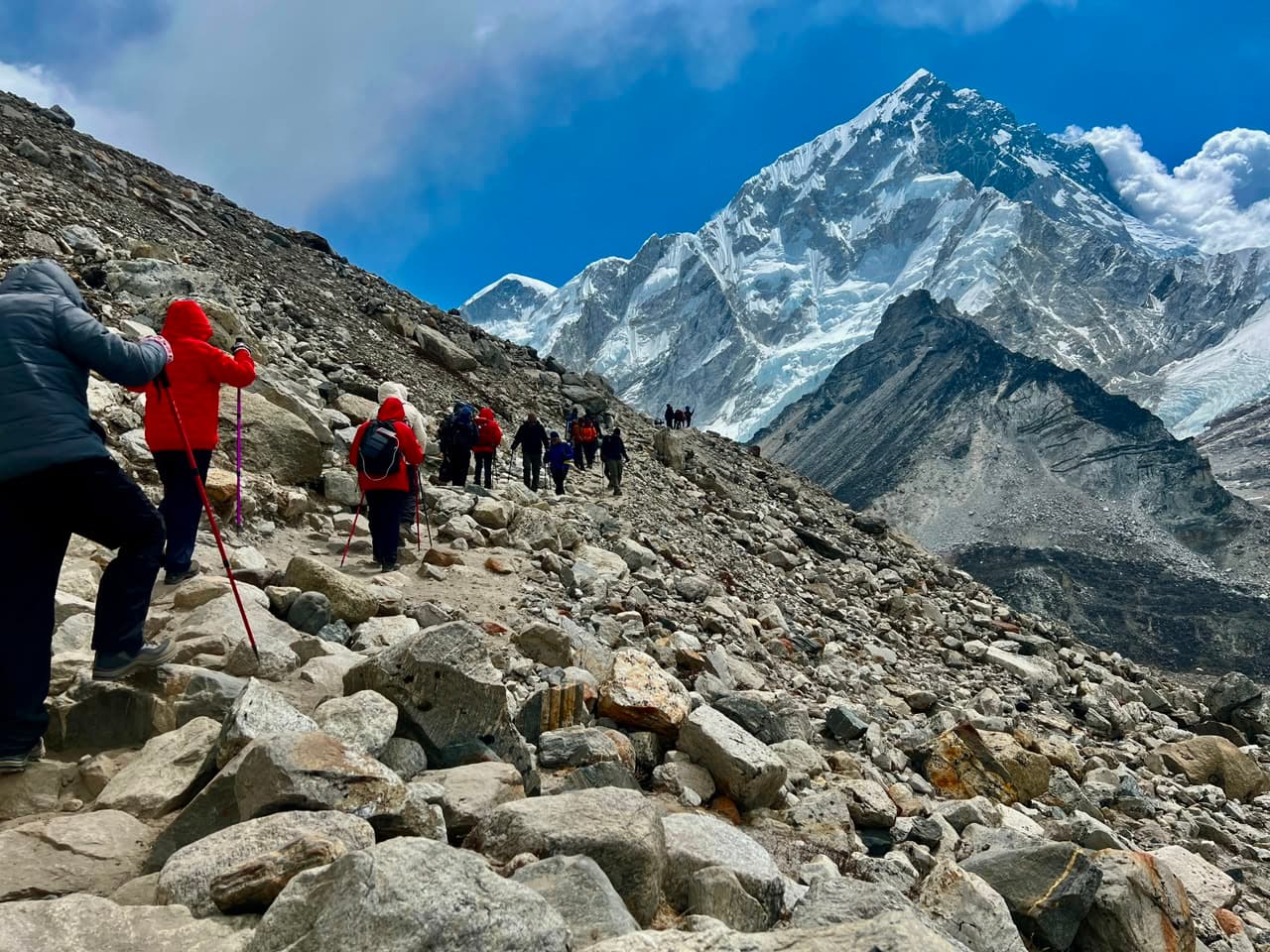
Everest Base Camp sits at approximately 5,364 metres. Many itineraries also include an early-morning ascent of Kala Patthar, which reaches approximately 5,545 metres and offers one of the most recognised viewpoints of Mount Everest and the surrounding peaks.
A well-designed itinerary normally requires around 12 to 14 days, including acclimatisation days. The exact duration depends on the selected route, weather, walking pace and any additional experiences included in the trip.
Typical Everest Base Camp itinerary
A balanced itinerary may follow this structure:
- Arrival and preparation in Kathmandu
- Flight to Lukla and trek to Phakding
- Trek from Phakding to Namche Bazaar
- Acclimatisation day in Namche Bazaar
- Trek to Tengboche
- Trek to Dingboche
- Acclimatisation day in Dingboche
- Trek to Lobuche
- Trek to Everest Base Camp and return to Gorak Shep
- Hike to Kala Patthar and trek to Pheriche
- Trek to Namche Bazaar
- Trek to Lukla
- Return flight to Kathmandu
- Contingency or departure day
The itinerary should remain flexible because mountain weather and flight conditions can change.
How difficult is the Everest Base Camp Trek?
Everest Base Camp is a challenging high-altitude trek, but it does not normally require technical climbing skills. The primary difficulties are elevation, cold conditions, uneven trails and consecutive days of walking.
Most trekking days involve several hours on the trail. Some sections include steep ascents, rocky terrain and suspension bridges. The challenge becomes greater above Dingboche as the air gets thinner and recovery takes longer.
Previous trekking experience is helpful but not essential. Consistent preparation, a sensible itinerary and a gradual pace are more important than speed.
Altitude and acclimatisation
Altitude is the most important safety consideration on the Everest Base Camp route. A person can be physically fit and still experience altitude-related symptoms.
Common early symptoms can include:
- Headache
- Unusual fatigue
- Reduced appetite
- Nausea
- Difficulty sleeping
- Dizziness
Trekkers should report symptoms honestly to their guide and avoid ascending when symptoms are worsening. Rest days in Namche Bazaar and Dingboche allow the body time to adjust.
Walking slowly, staying hydrated and avoiding unnecessary exertion support acclimatisation, but they do not guarantee protection from altitude illness. Descending remains the most important response when serious symptoms develop.
Best time for the Everest Base Camp Trek
The most popular trekking periods are generally spring and autumn.
Spring
March to May often brings improving temperatures, flowering rhododendrons and active trails. Conditions can vary as the monsoon approaches.
Autumn
October and November are valued for clearer skies, stable trekking conditions and extensive mountain views. Popular sections of the route can be busy during this period.
Winter
December to February can offer quieter trails and clear views, but temperatures become significantly colder and snow may affect higher sections.
Monsoon
Summer brings rain, cloud, reduced flight reliability and slippery lower trails. It may suit experienced travellers who understand the additional uncertainty.
No Himalayan season is completely predictable. Travellers should keep contingency time around mountain flights.
Accommodation and food
Everest Base Camp is a teahouse trek. Lodges along the route generally provide simple rooms, communal dining areas and cooked meals.
Facilities become more basic and expensive at higher elevations because supplies must be transported into remote settlements. Charging, hot showers and internet access may involve additional fees.
Common meal choices include dal bhat, noodles, soups, potatoes, pasta, eggs and Tibetan bread. Choosing freshly prepared, familiar food and drinking properly treated water can reduce avoidable illness.
What to pack
Your packing list should focus on warmth, layering and weight management.
Essential items include:
- Broken-in trekking boots
- Moisture-wicking base layers
- Insulating mid-layer
- Waterproof jacket and trousers
- Warm down jacket
- Thermal leggings
- Warm hat and sun hat
- Insulated gloves
- UV-protection sunglasses
- Sleeping bag suitable for cold conditions
- Trekking poles
- Headlamp
- Reusable water bottles
- Water-treatment method
- Sunscreen and lip balm
- Personal medicine and first-aid essentials
- Trekking duffel and daypack
Avoid packing excessive clothing. A porter’s working conditions and load limits should always be respected.
How to prepare physically
Begin structured preparation several weeks before departure. Combine cardiovascular exercise, leg strength, core stability and long walks.
Useful activities include:
- Hill walking
- Stair climbing
- Cycling or running
- Squats and lunges
- Step-ups with a daypack
- Consecutive weekend walks
Training improves endurance, but it does not eliminate altitude risk. Mental preparation is equally valuable because weather, fatigue and changing plans are part of Himalayan travel.
Responsible trekking in the Everest region
Visitors can reduce their impact by carrying reusable bottles, avoiding unnecessary single-use plastics and following local waste-management guidance.
Respect monasteries, memorials, local customs and photography restrictions. Buying locally and treating guides, porters and lodge workers fairly helps tourism support the communities that make the journey possible.
Is Everest Base Camp right for you?
The trek may suit you if you are comfortable with simple accommodation, changing weather, long walking days and gradual exposure to high altitude.
It may not be suitable if you have not allowed enough time for acclimatisation or cannot accept changes caused by weather and flight disruption.
Choosing the shortest itinerary is rarely the best way to experience a high-altitude destination.
Plan your Everest journey with Himalera
Himalera Treks designs Himalayan journeys around realistic pacing, local knowledge and clear traveller communication. We help you understand the route before departure, prepare for its demands and make informed decisions along the way.
The goal is not simply to reach Everest Base Camp. It is to experience the Khumbu safely, respectfully and at a pace that allows the journey to mean something.
Find your era in the Himalayas with Himalera.